Path to Agility®Navigator
The Path to Agility approach, in software.
Assess your teams against 100 capabilities, visualize progress with heatmaps, and get prioritized action items, all tied to the 9 business outcomes that matter.
Navigator is built on the Path to Agility® approach, but it's standalone software. You don't need consultants. You don't need training. Just sign up and start assessing. Learn about the methodology
Sound Familiar?
Most organizations struggle to manage transformation at scale. Good intentions get lost in chaos.
Spreadsheet Chaos
Transformation data scattered across spreadsheets, slide decks, and email threads. No single source of truth.
No Visibility
Leadership can't see what's actually happening. Progress reports take days to compile, and they're already outdated.
Inconsistent Approaches
Every team doing their own thing. No way to compare progress or share what's working across the organization.
Actions Disconnected from Outcomes
Teams are busy improving, but nobody can tie activities back to actual business results.
Five Steps to
Continuous Improvement
Navigator guides you through a repeatable cycle. Assess where you are, figure out what to improve, do the work, then measure again.
Assess
Gauge your current agile capabilities with real-time assessments at every level: team, system, and organization.
Analyze
Visualize assessment data through interactive heatmaps and capability maps to spot patterns and gaps.
Prioritize
Get customized, prioritized action items based on your data, focused on the business outcomes you care about.
Plan
Organize improvement activities on a built-in Kanban board. Assign owners, set dates, track status.
Act
Execute improvements, then reassess to measure progress. Continuous improvement, continuously measured.
Everything You Need to
Drive Transformation
Real-Time Assessments
Self-assessments for teams with instant results. No waiting for consultants to compile data.
Capability Heatmaps
See exactly where teams are strong and where they need support across all 100 capabilities.
Custom Roadmaps
Auto-generated improvement paths based on your specific assessment results and goals.
Kanban Action Board
Built-in task management for improvement activities. No need for external tools.
Progress Dashboards
Live dashboards showing transformation progress over time. Perfect for stakeholder updates.
Methodology Agnostic
Works with SAFe, Scrum, Kanban, Scrum@Scale, LeSS, or your own hybrid. Keep your methodology, add structure.
Powerful Tools for
Real Transformation
From assessments to action items, Navigator gives you everything you need to manage transformation at scale.
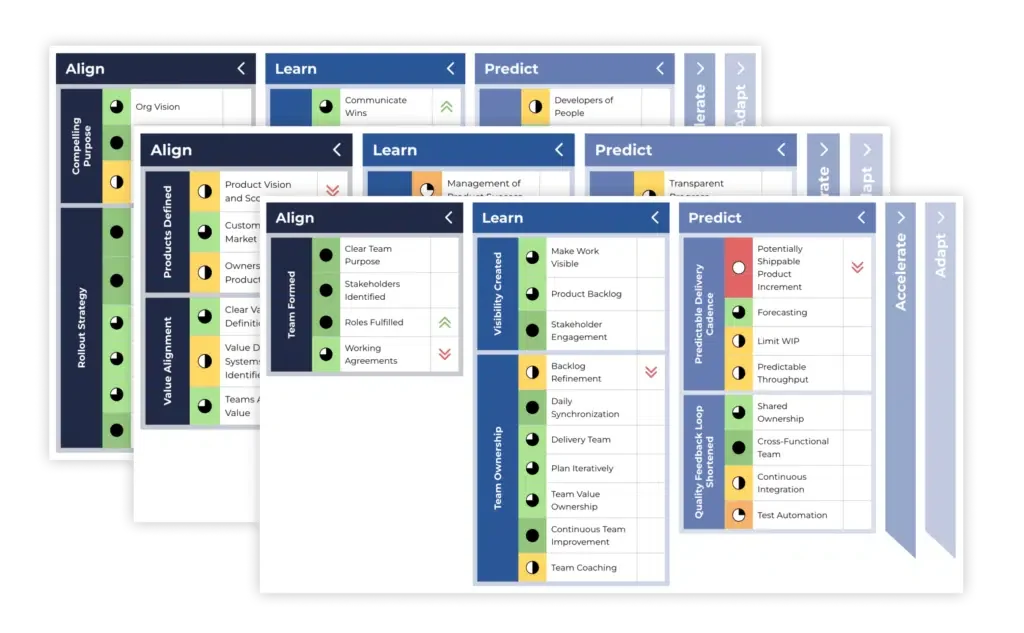
Capability Heatmaps
Visualize capability maturity across your entire organization. Instantly spot patterns, identify gaps, and see exactly where teams need support, all in one view.
- Organization-wide visibility
- Color-coded maturity levels
- Drill down by team or capability
- Export for stakeholder reports
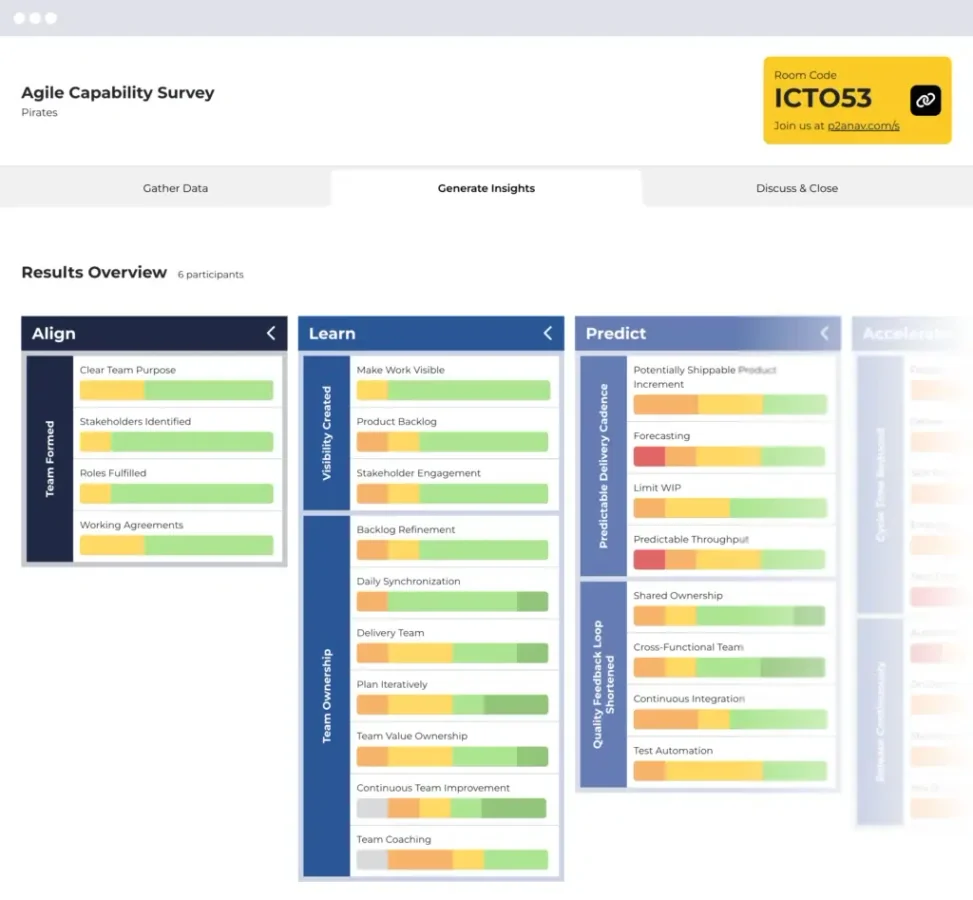
Team Assessments
Five-minute self-assessments that teams actually complete. No consultant required. Results flow instantly into your heatmaps and dashboards.
- 100 capabilities across 5 stages
- Mobile-friendly interface
- Instant results
- Historical trend tracking
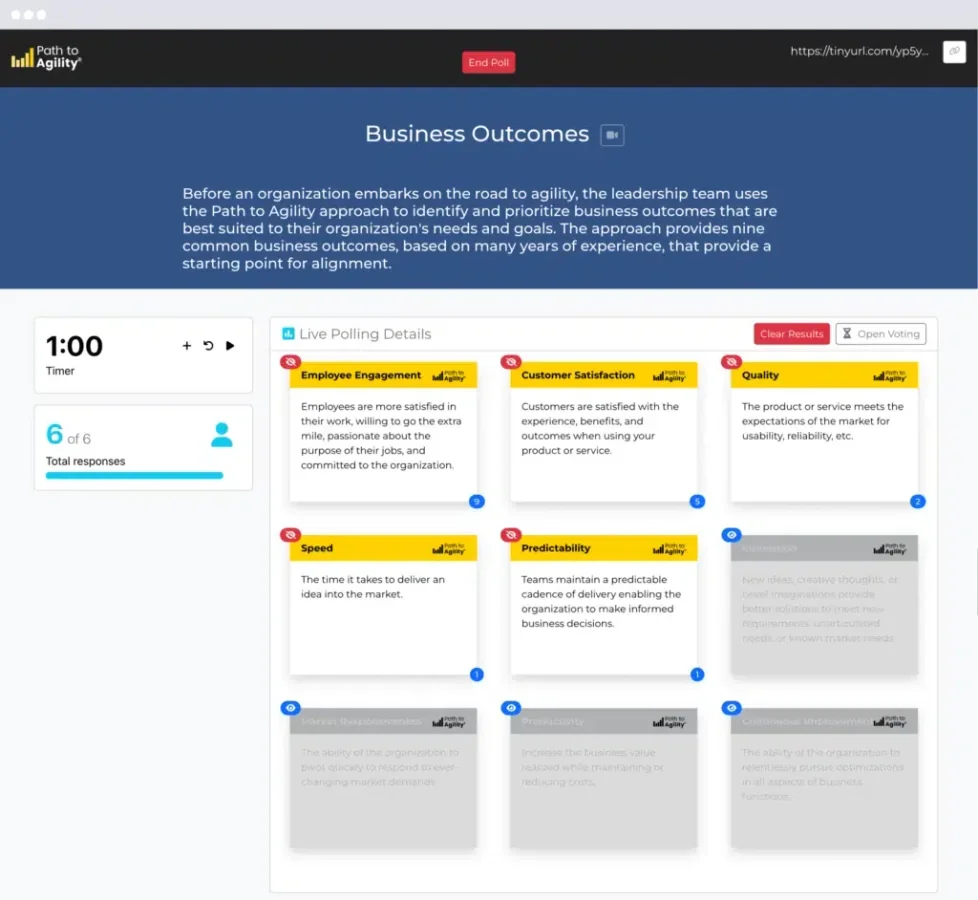
Business Outcomes Dashboard
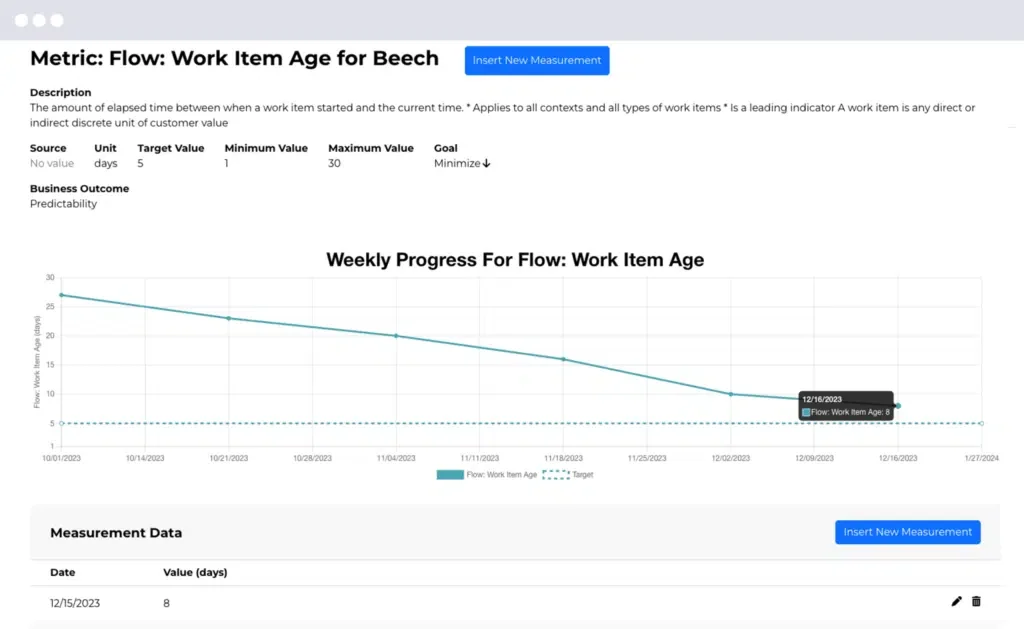
Every capability ties back to one of 9 business outcomes. See exactly how your improvement activities connect to the results leadership cares about.
- 9 business outcomes tracked
- Capability-to-outcome mapping
- Progress over time
- Executive-ready views
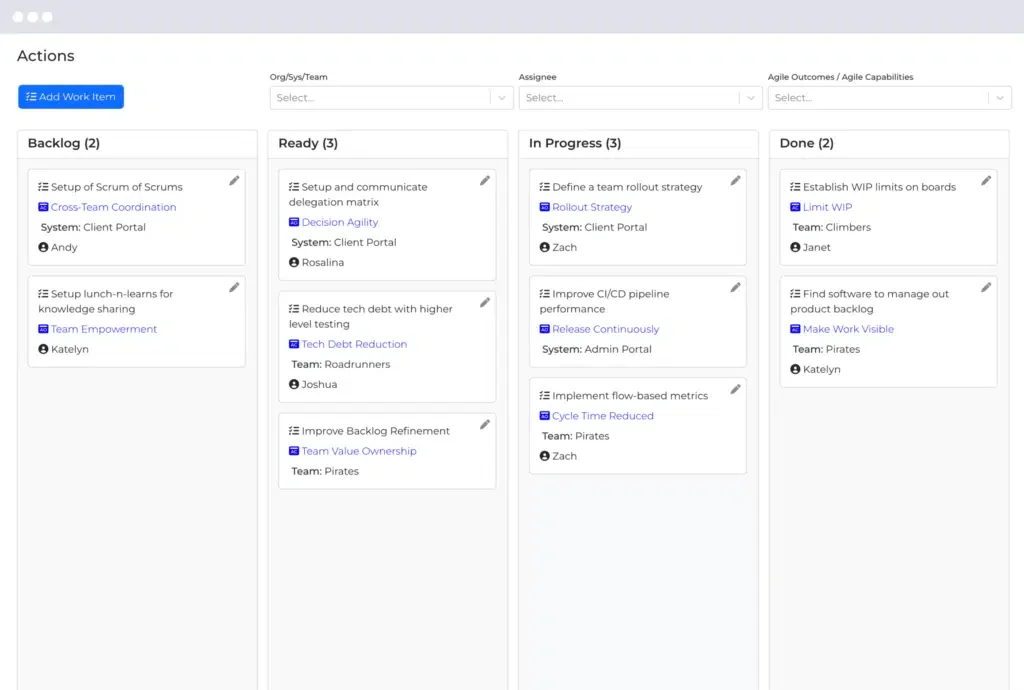
Action Kanban Board
Turn assessment insights into prioritized action items. Assign owners, set dates, track progress, all without leaving Navigator.
- Drag-and-drop interface
- Owner assignment
- Due date tracking
- Linked to capabilities
Custom Roadmaps
Navigator scores 100 capabilities and prioritizes the 10 that most directly unblock your business outcomes, including the operating cadence work that determines your AI investment ROI.
- Prioritizes capabilities that move outcomes
- Includes AI-readiness signals
- Stage-by-stage guidance
- Exportable plans
Built for
Real Results
Most transformation tools track activities. Navigator tracks outcomes. Every assessment, every action item, every dashboard ties back to the business results you're trying to achieve.
Every capability from the Path to Agility framework, organized by stage and level.
Tie every improvement activity to measurable business results.
Quick team self-assessments that don't disrupt the workday.
Three Ways to
Use Navigator
Use it on your own, build internal expertise, or partner with our coaches. Your transformation, your choice.
Run It Yourself
Your organization, your transformation, your pace. Navigator gives you the structure and tools. You drive the change. No consultants required.
- Self-service assessments
- Built-in guidance
- Knowledge base access
- Starting at $79/month
Build Internal Capability
Develop transformation expertise inside your organization. Reduce reliance on external coaches while building lasting internal capability.
- Practitioner certification available
- Train internal coaches
- Scalable across teams
- Long-term sustainability
Partner With Experts
Combine Navigator's structure with hands-on guidance from Agile Velocity coaches. Best of both worlds.
- Expert coaching
- Accelerated results
- Knowledge transfer
- Custom engagements
Built for Everyone
Driving Change
Transformation Leaders
Real-time visibility into progress across all teams. Generate stakeholder reports in seconds, not days. Finally answer “how's the transformation going?” with data.
Internal Coaches
See exactly where teams need support. Prioritize coaching activities based on data, not gut feel. Build your own transformation practice inside your organization.
Team Leads
Quick 5-minute self-assessments that surface improvement opportunities. Take ownership of your team's agile journey without waiting for external help.
External Consultants
Use Navigator with your clients through our Partner Program. Bring structure to your engagements. Five partnership tiers available.
Enterprise Organizations
Scale assessments across hundreds of teams. Compare progress across business units. Fortune 500 tested.
Growing Companies
Start with a single team for $79/month. Add more as you grow. No enterprise contract required to get started.
Frequently Asked
Questions
Do I need to hire Agile Velocity to use Navigator?
No. Navigator is standalone SaaS software. You can sign up, run assessments, and manage your transformation entirely on your own. Many organizations use Navigator without any consulting engagement. That said, we're here if you want expert guidance.
What's the difference between Path to Agility and Navigator?
Path to Agility is the methodology: the framework of 9 business outcomes, 100 capabilities, and 5 transformation stages. Navigator is the software that brings that methodology to life. Think of it like this: Path to Agility is the map, Navigator is the GPS.
Do I have to change my agile methodology to use Navigator?
No. Navigator is methodology-agnostic. Whether you're using Scrum, SAFe, Kanban, Scrum@Scale, LeSS, or a custom hybrid, Navigator works with your approach. It measures capabilities and outcomes, not specific practices.
Can external consultants use Navigator with their clients?
Yes. We have a Partner Program specifically for consultants and coaches who want to use Navigator in their client engagements. Five tiers based on your organization size. Reach out to learn more.
What size organizations use Navigator?
Everything from small businesses to Fortune 500 enterprises. The pricing scales with your needs. Start small with a single team and expand as you grow.
How is Navigator different from Jira, Monday, or other project tools?
Those tools manage work. Navigator manages transformation. It's not about tracking user stories or sprints. It's about measuring organizational capability, identifying improvement priorities, and tying everything back to business outcomes.
See Navigator
In Action
Get a 30-minute personalized walkthrough. See how Navigator handles assessments, heatmaps, and action tracking in your context.
- No sales pitch, just a product demo
- See real assessments and heatmaps
- Get your questions answered
- 30-day free trial included
Request Your Demo
We'll reach out within 1 business day